
The Algorithm Can’t Teach You Taste
What I learned about style by looking up from my phone

One of fashion’s biggest ironies is that having access to endless inspiration can make it harder to know what we like.
At any given moment, we can see thousands of outfits worn by thousands of people from every corner of the world. We can save them, categorize them, analyze them, recreate them, and build an entire visual vocabulary without ever leaving our homes.
And that access is… pretty incredible. The internet has introduced me to designers, styling ideas, and ways of dressing that I probably never would have encountered otherwise.
But there is a point where inspiration becomes noise.
When you’re constantly looking at other people’s interpretations of style, it becomes way too easy to lose track of your own.
The less time I spend consuming fashion online, the more I notice that my personal style becomes less trend-conscious, more intuitive, and — maybe most importantly — more connected to the world around me.
Clothing loses its relationship to context when it exists primarily as an image.
Internet killed the centerfold star (& other real-life influencers)
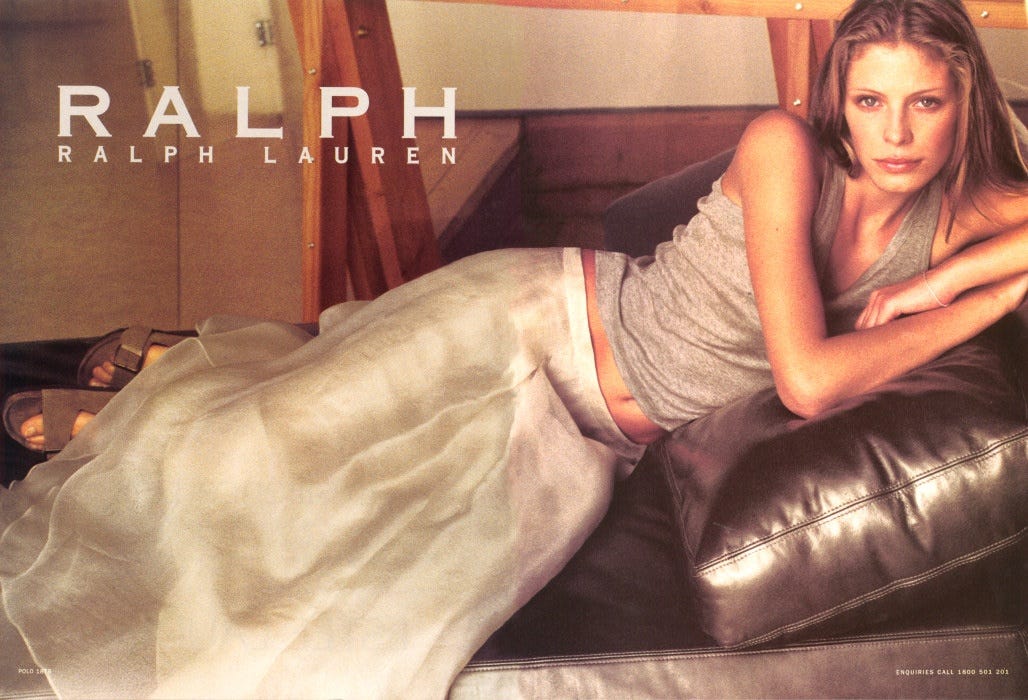
Before fashion inspiration lived in a digital box, it was much more common to look through magazines, books, or simply observe the people around you. And there was value in the variety of those influences. They each honed our taste in different ways.
Fashion magazines and books have always been aspirational and, in many ways, avant-garde. But compared to a lot of online fashion today, they often feel surprisingly classic. The styling usually follows a certain logic: colors relate to each other, proportions balance, fabrics make sense together.
Meanwhile, a lot of online fashion has become centered around contrast.
The “wrong shoe theory” is a perfect example. Pairing delicate ballet flats with athletic clothing, or a romantic blouse with Adidas track pants, became interesting because it felt unexpected. It challenged the idea that certain things belonged together.
But because those ideas spread so quickly online, unexpected combinations have become… expected. The unusual pairing became the recognizable formula.
At a certain point, the thing that stands out is no longer the outfit that creates the most contrast. It’s the outfit where everything feels like it belongs together.
Now, when I look through older fashion imagery or see someone dressed in a way that feels intuitive and uncomplicated, it often catches my attention more than something designed specifically to surprise me.
Did you know… everyone in your 3D world gets dressed too?
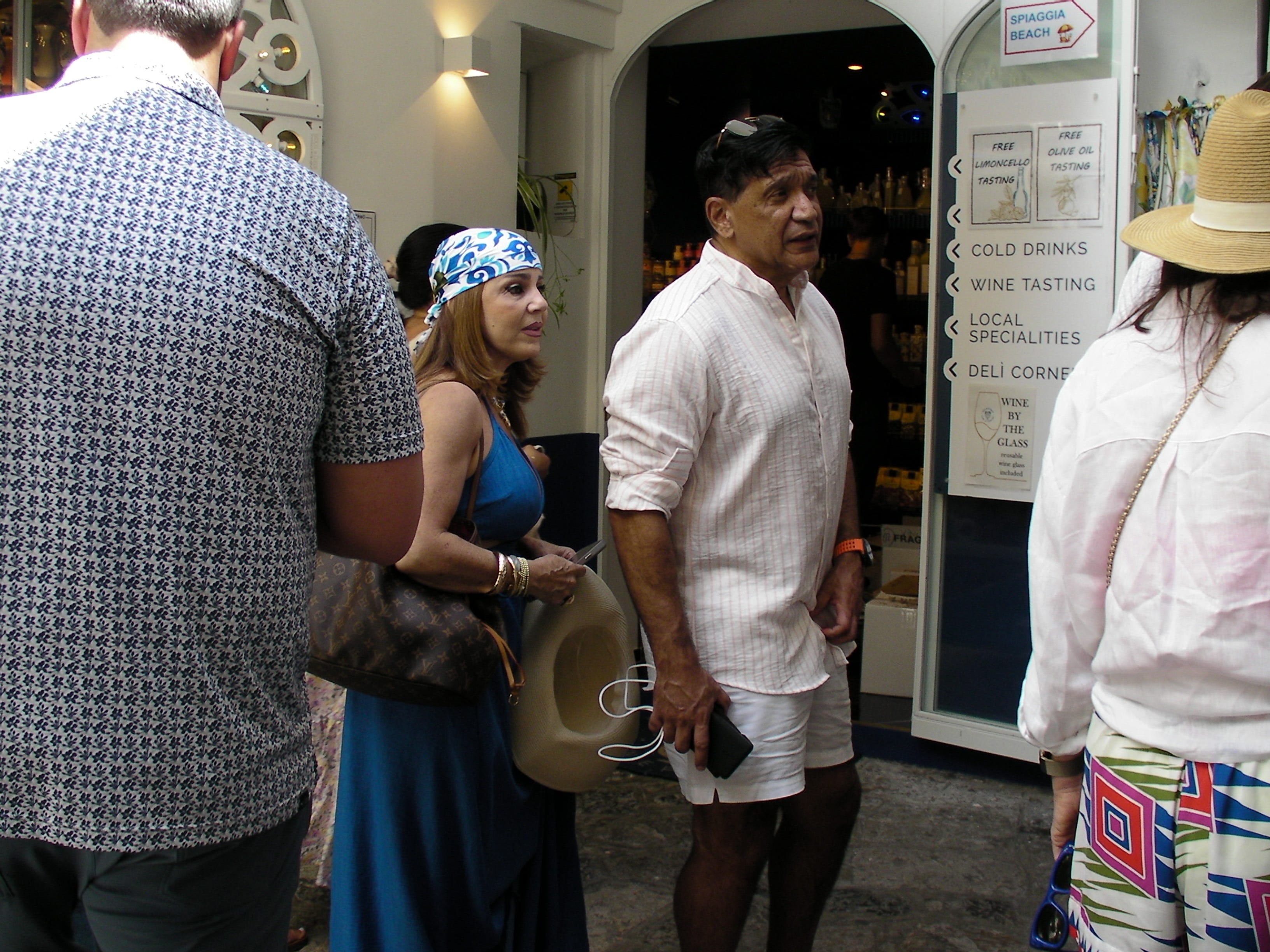
One of the biggest fun-suckers of online fashion inspiration is that we unconsciously narrow our field of view to our own age and gender. But when we’re just existing in the world, it’s a lot easier for us to admire fashion from any kind of person, because it’s literally impossible to narrow our scope completely and handpick who we see in real life.
When you’re walking down the street, sitting at a restaurant, or standing in line somewhere, you don’t curate who you see. Your view includes people of every age, background, and relationship to fashion.
And some of the most interesting style inspiration often comes from people who would never consider themselves “fashionable.” Especially people who grew up before the internet existed to tell us what was cool. This isn’t because people who study fashion are less authentic. It’s because sometimes knowing too much about fashion can make us approach dressing analytically instead of instinctively.
There’s something fascinating about the way many older people dress because their outfits feel completely intuitive. They aren’t trying to recreate an image they saw online; they aren’t thinking about whether something will photograph well or whether it fits into a particular aesthetic.
They are simply getting dressed. They choose things because they like them, because they suit their life, and because they make sense for where they’re going. The guy wearing a perfectly broken-in jacket to buy groceries. The lady at the farmers market whose color-coordinated outfit looks like it has existed with her for twenty years.
Even if that person is into dressing funky, their specific flavor of funk came from years of simply knowing what they like — and it often still reflects a response to their environment.
It’s not always easy to tell the context behind the outfits we see online. So when our primary sources of inspiration come from the internet, we can lose sight of the importance of responding to context.
Getting dressed is not only about expressing yourself. It’s also about participating in your environment. Style is a conversation between you and your surroundings, and the internet often removes the surroundings.
Finding your way back to your pre-internet preferences

Something else I’ve noticed as I’ve stepped away from constant fashion inspiration is that my current taste often looks shockingly similar to the things I loved as a child.
The colors I’m drawn to, the materials that make me feel good, the silhouettes I naturally gravitate toward — so many of them connect back to the things I loved before I ever had access to endless images online. Before I knew what was trendy. Before I found out that being trendy was or wasn’t cool. Before I was comparing my taste to thousands of hot people all over the world.
When I was six or seven, I remember being asked what my favorite color was and responding with “brown.” Everyone laughed at me, but I had no idea why it was a funny or weird answer. I was thinking about my favorite tank top — and it was brown. I loved wearing brown tops with blue jeans. And today, that remains one of my favorite go-tos. I wasn’t trying to have a good or unique answer. I just liked brown.
We all have some amount of style intuition. Even as children, before we have the language to explain why we like something, we know what feels exciting and what feels like us.
Sometimes too much inspiration doesn’t help us discover our style. Sometimes it stifles us and drowns out our innate instincts.
The goal isn’t to stop looking
I’m not saying the answer is to reject online inspiration completely. I don’t even know if that would be possible, or even preferred!
I have gotten a lot of inspiration online that I really value. And I do appreciate the exposure to styles that I might never see in my daily life. But I do think there is value in creating space between ourselves and all of that input.
When we spend more time offline, our style becomes more intuitive. It responds more to our actual lives and less to the preferences rewarded online.
Maybe the biggest benefit is that we become more confident. When you aren’t constantly comparing your wardrobe to thousands of people online, you start trusting your own instincts again.
The more you trust your style intuition, the more authentic your personal style becomes.
And the more authentic your style becomes, the more aligned and secure you feel in it.
It becomes a cycle — one that begins when you stop looking 12 inches in front of you at a screen and start paying attention to the world happening around you.